Tuesday, 16 March 2027 | 10:00 - 11:30
Impact Licensing: Turning Societal Challenges into Innovation and Economic Opportunities
Traditional technology transfer and commercialisation often leave valuable opportunities untapped: technologies from companies, universities and research organisations could meet societal needs in markets and communities their developers do not commercially serve.
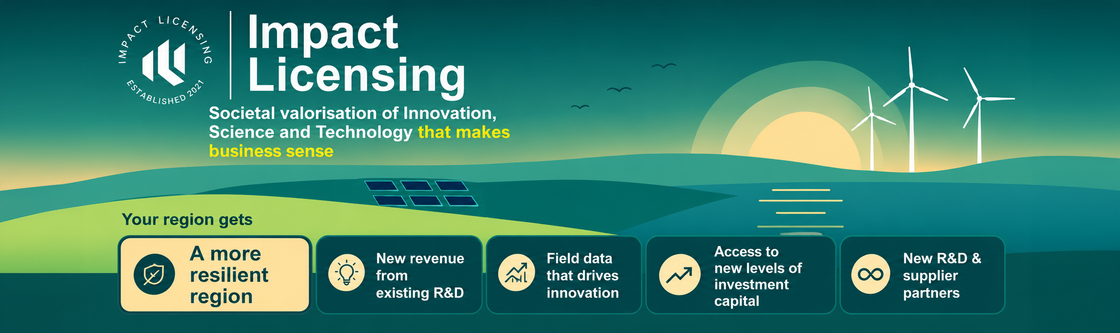
Impact Licensing unlocks this potential. It extends technologies’ societal and environmental reach while creating economic value, knowledge, partnerships and innovation opportunities.
Discover this emerging approach to societal and environmental valorisation—and its strategic role in innovation ecosystems worldwide. Explore how innovation agencies, technology transfer organisations, universities and other partners can open new valorisation pathways, strengthen competitiveness and advance societal and environmental goals.
Building an ecosystem with international reach
Explore the Impact Licensing infrastructure under development to accelerate adoption worldwide and inspire regions and countries:
-
A network of Technology Transfer Facilities for Impact (TT4i): Regional organisations identifying promising technologies, assessing societal potential and facilitating the development and negotiation of Impact Licensing Agreements.
-
The Responsible Licensing Institute: An worldwide certification body supporting credible, high-quality and consistent agreements.
-
Technology Access Pools: Mechanisms enabling access to impact-licensed technologies for deployment, replication and valorisation across European regions.
Together, these building blocks aim to make societal valorisation recognised and scalable, offering inspiration for innovation ecosystems worldwide.
Turn local challenges into innovation opportunities
Connect through concrete cases and explore collaboration opportunities across regions and countries.
We invite you to bring forward societal and environmental challenges from your country or region, as technologies developed by companies, universities and research organisations that could help address them.
Priority areas include:
-
Access to safe and affordable drinking water.
-
Access to renewable and affordable energy.
-
Climate-resilient and sustainable agriculture.
-
Coastal restoration and ecosystem resilience.
-
Disaster preparedness, emergency response and humanitarian aid.
What’ s in it for you?
Through concrete cases and interactive discussion, you will explore:
-
How Impact Licensing can complement existing technology transfer and innovation support instruments.
-
How national and regional innovation agencies can create new pathways for societal and environmental valorisation.
-
How universities, companies and R&D&I stakeholders can generate additional value from their innovations.
-
How national and regional organisations can participate in the emerging European TT4i network.
-
How Impact Licensing could be integrated into international collaboration and innovation programmes, including Eureka calls.